Finding the right NDIS support worker can feel like a big decision—and it is. This is someone who’ll be part of your routine, help you with everyday tasks, and support you to reach your goals. You deserve someone who’s reliable, respectful, and genuinely invested in helping you live the life you want.
If you’ve had support that didn’t quite work out, or you’re choosing a worker for the first time, you might be wondering what “good support” actually looks like. This guide will help you understand the key qualities to look for, what you can expect from a professional support worker, and how to find the right match for you.
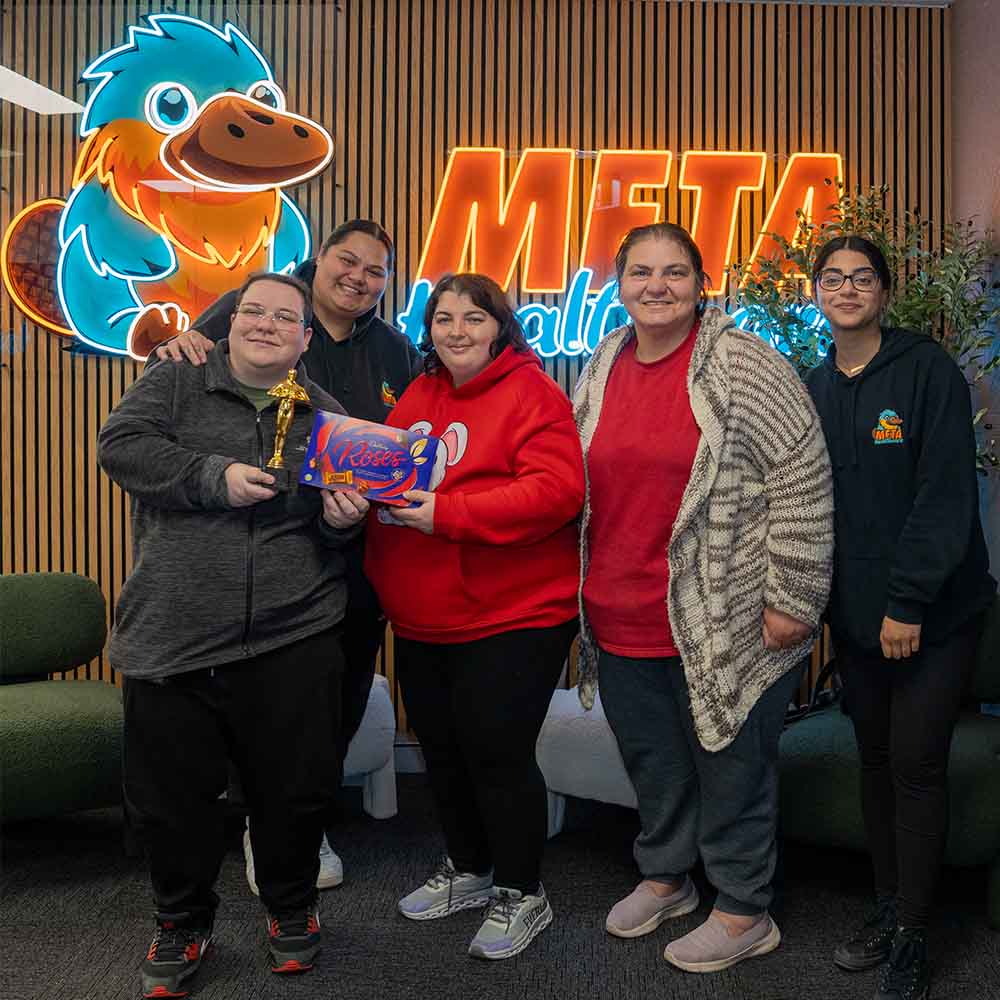
At Meta Healthcare, we support adults across Western Sydney—including Blacktown—with one-to-one support work and community access. We know that the relationship between you and your support worker matters, and we’re here to help you find someone who fits.
What Does an NDIS Support Worker Actually Do?
Support workers help you with the everyday parts of life so you can build confidence, independence, and connections in your community. They’re not therapists or medical professionals, but they can help you put your therapy goals into practice in real life.
Here’s what support work can look like for adults:
- Getting out and about: Attending appointments, going to the shops, catching public transport, or joining community activities.
- Daily living skills: Meal planning and prep, budgeting practice, managing your home routines, or learning new skills.
- Social connection: Meeting friends, joining groups, trying new hobbies, or simply having someone to talk to.
- Building confidence: Practising things like speaking up in public, making decisions, or navigating new places.
- Goal support: Working on the goals in your NDIS plan—whether that’s fitness, independence, or trying something new.
Support workers are there to help you do the things that matter to you. The best ones listen, adapt to your pace, and support your choices without taking over.
The 10 Qualities of a Great NDIS Support Worker
Here’s a practical checklist of what makes a great support worker. Keep this in mind when you’re meeting someone new or reviewing how your current support is going.
1. Reliable and Consistent
They show up on time, every time. If something changes—like they’re running late or need to reschedule—they let you know as early as possible. You can count on them to keep their commitments, which helps you plan your week with confidence.
2. Respectful and Person-Led
They listen to what you want and follow your lead. They don’t make decisions for you or talk over you. They respect your preferences, routines, and the way you like things done. You’re always in charge.
3. Clear Communication
They explain what’s happening, check in with you, and make sure you understand the plan. They adjust how they communicate based on what works for you—whether that’s speaking slowly, using visuals, or giving you time to process. They never rush or pressure you.
4. Safe and Calm Under Pressure
If something unexpected happens—a cancelled bus, a change of plans, or a stressful moment—they stay calm and help you work through it. You feel safe with them, even when things don’t go as expected.
5. Encourages Independence (Without Pushing)
They support you to try new things and build skills, but they never force you. If you’re not ready, they back off. They celebrate your progress, no matter how small, and help you feel proud of what you can do.
6. Good Boundaries and Professionalism
They’re friendly and warm, but they keep a professional boundary. They don’t overshare personal details, they respect your privacy, and they don’t try to become your best friend. This keeps the relationship healthy and safe.
7. Patient and Adaptable
They understand that some days are harder than others. They adjust activities based on your energy, mood, and needs. If you need to slow down, change the plan, or take a break, they’re okay with that.
8. Community Confidence and Social Support Skills
They know how to help you feel comfortable in public settings. Whether it’s ordering at a café, navigating a crowded shopping centre, or meeting new people, they give you the right amount of support without taking over.
9. Works Well With Your Wider Team
If you’re working with an OT, physio, psychologist, or support coordinator, a great support worker stays on the same page. They follow recommendations, support your therapy goals in everyday life, and communicate with your team when needed.
10. Culturally Aware and Non-Judgemental
They respect your family, culture, language, and identity. They don’t judge your choices, beliefs, or lifestyle. They make you feel seen, valued, and understood for who you are.
What You Should Expect From Support Work
Good support work isn’t just about ticking boxes—it’s about creating a relationship where you feel respected, safe, and supported to grow. Here’s what you should expect as a standard:
- Respect, privacy and dignity in all interactions, especially with personal care.
- Choice and control in decisions about your day, your goals, and your supports.
- Predictable scheduling and clear communication about times, cancellations, and changes.
- Support that matches your goals and follows your NDIS plan.
- A worker who follows your routines and adapts to your preferences.
- A backup plan if your worker is sick or needs to cancel—so you’re not left without support.
- Honest communication about what they can and can’t help with.
- Regular check-ins to make sure things are working for you.
These aren’t extras—they’re the basics of professional, participant-centred support.
Red Flags to Watch For
Not every support relationship works out, and that’s okay. Sometimes it’s just not the right fit. Here are some patterns to watch for that might mean it’s time to look for someone new:
- Inconsistent attendance or repeated last-minute cancellations without good reason.
- Poor communication—not responding to messages, ignoring your preferences, or making plans without asking you.
- Being distracted—constantly on their phone, rushing through tasks, or not paying attention.
- Speaking to your family instead of you (unless you’ve asked them to).
- Unsafe judgement—poor decisions while driving, not following safety guidelines, or taking risks in the community.
- Lack of respect for privacy or boundaries—sharing your personal information, asking inappropriate questions, or overstepping.
- Not listening—dismissing your concerns, making decisions for you, or ignoring what you’ve said.
If you notice these patterns, trust your gut. It’s not about being picky—it’s about finding someone who truly respects and supports you.
How to Choose the Right Support Worker for You
Finding the right match takes a bit of thought, but it’s worth it. Here’s a simple process to help you choose:
Create a “Support Profile”
Write down (or talk through with someone) what matters most to you:
- What are your main goals? (e.g., getting out more, building skills, making friends)
- What kind of personality works for you? (quiet and calm, chatty and social, confident in public)
- What do you need help with? (transport, cooking, community activities, routines)
- Are there any preferences around gender, language, or cultural background?
Decide What Matters Most
Rank your priorities. Is reliability your top concern? Do you need someone confident with public transport? Is social support more important than household tasks? Knowing what matters most helps you find the right fit faster.
Start With a Meet-and-Greet
If possible, arrange a casual first session or chat before committing. This gives you a chance to see how you feel around them and whether their communication style works for you.
Review After 2–3 Shifts
After a few sessions, reflect on what’s working and what isn’t. Do you feel comfortable? Are they respectful? Do you look forward to seeing them? If something feels off, it’s okay to ask for a different worker.
Remember, finding the right support worker is normal. It might take a couple of tries, and that’s okay. The goal is to find someone who makes your life easier, not harder.
Questions to Ask Before You Start
When you’re meeting a potential support worker or speaking to a provider, here are some helpful questions to ask:
- What does a typical support session look like?
- Can you support community access goals (like shopping, appointments, or social activities)?
- How do you handle cancellations or changes to the schedule?
- Are you comfortable helping with public transport practice?
- What areas do you service around Blacktown and Western Sydney?
- What days and times are you available?
- How do you communicate with participants and families?
- Can you support goals from my allied health team (like OT or physio)?
- Are you comfortable supporting social activities and group settings?
- What’s your approach to building confidence and independence?
These questions help you get a feel for whether someone is the right match for your needs and goals.
Frequently Asked Questions
What makes a good NDIS support worker?
A good NDIS support worker is reliable, respectful, and participant-led. They listen to what you want, communicate clearly, stay calm under pressure, and support your independence without pushing. They follow the NDIS Code of Conduct, hold the right clearances, and work well with your wider support team.
How do I know if my support worker is the right match?
You’ll know it’s the right match if you feel comfortable, respected, and supported. You should look forward to your sessions, feel heard, and notice progress toward your goals. If something feels off or you’re consistently uncomfortable, it might not be the right fit—and that’s okay.
Can I change support workers if it’s not working?
Yes, absolutely. You have the right to choose your support workers, and you can change them if the relationship isn’t working. Talk to your provider or support coordinator about finding someone who’s a better match for your needs.
How long does it take to build trust with a support worker?
Building trust is different for everyone. Some people feel comfortable after a few sessions, while others need a few months. A good support worker understands this and won’t rush the relationship. Give it 2–3 sessions to see how you feel, then reassess.
Should my support worker help with community access?
Yes, community access is a core part of many support roles. If building social skills, getting out more, or trying new activities is part of your goals, your support worker should be able to help with that in a way that feels comfortable for you.
What if I need support at different times each week?
Many providers offer flexible scheduling, but it depends on the worker’s availability. Be clear about your needs upfront, and ask whether they can work with a changing routine. Some workers specialise in flexible, on-call support.
Do support workers work with allied health teams?
Yes, many support workers collaborate with allied health professionals like OTs, physios, and psychologists. They help you practise skills and follow recommendations in everyday life. Make sure your worker understands your therapy goals and can support them during your sessions.
Do you provide NDIS support workers in Blacktown?
Yes, Meta Healthcare provides NDIS support workers in Blacktown and across Western Sydney. We specialise in one-to-one support, community access, and helping adults work toward their independence and social goals. Get in touch to learn more.
Find the Right Support Worker for You
A great support worker is more than just someone who shows up—they’re reliable, respectful, patient, and genuinely invested in helping you reach your goals. They support your choices, respect your boundaries, and help you build the confidence and skills to live the life you want.
Use this checklist to think about what matters most to you, trust your instincts, and don’t be afraid to speak up if something doesn’t feel right. Finding the right match might take time, but it’s worth it.
If you’re looking for NDIS support work services in Blacktown or Western Sydney, Meta Healthcare is here to help. We match you with experienced, compassionate support workers who understand what good support looks like. Contact us today to start the conversation—and take the next step toward support that truly works for you.
Want more tips on managing your NDIS plan? Read our guide on how to take more control of your NDIS plan in 2026.

Meta Healthcare is a leading NDIS provider in Sydney, dedicated to empowering participants through personalised care and expert guidance. Our compassionate team focuses on creating meaningful opportunities, fostering independence, and supporting brighter futures for individuals and their families. With over 60 years of combined experience, we offer a range of services, including support work, allied health, support coordination, and respite care, all tailored to meet each participant’s unique goals and needs. At Meta Healthcare, we prioritise transparent communication, inclusivity, and a goal-oriented approach to help you thrive in your journey with the NDIS.